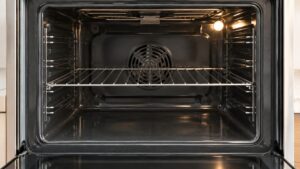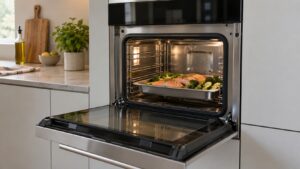
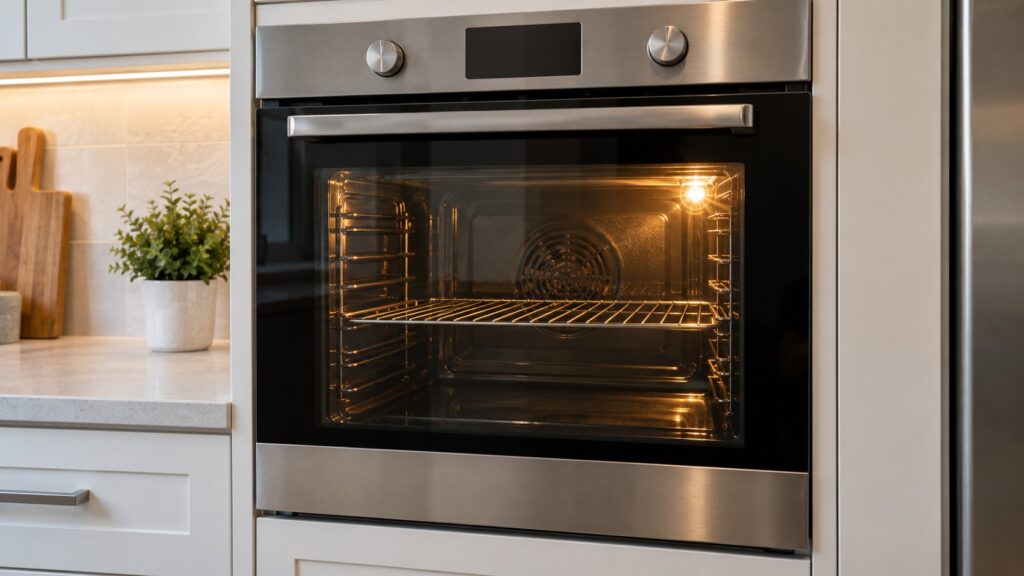
Thermador oven preheating is the step that decides whether the start of a bake goes well. A full preheat means the air, the walls and the racks have all reached temperature, so the food meets steady heat from the moment it goes in. The display signal usually tells you the air is ready, and our holiday cooking guide advises allowing a little longer even then, because the cavity walls need time to stabilize. The tips below cover when to preheat, how to set the racks, what convection changes and how to check that the oven is as hot as it says.
Why does a Thermador oven need preheating?
An oven heats the air, and the air heats the walls and the racks, and all of them heat the food. When you put food in before the oven is ready, the food starts in a cooler oven, the heating elements run flat out to catch up and the first part of the bake is uneven. Baked goods that depend on a fast start, such as bread, pastry and pizza, show it most. Roasts and casseroles are more forgiving.
The oven decides it is ready from its temperature sensor, which our oven glossary describes as a thermistor that measures the cavity temperature. That is why our holiday guide advises allowing extra time after the oven says it is preheated: the cavity walls need time to stabilize.
How should you set up the oven before you heat it?
Put the racks where you need them before you turn the oven on, so you are not reaching into a hot oven to move them. Our rack positions guide explains which position suits which food. Take out anything that does not belong, such as baking sheets stored in the oven, spare racks and pizza stones that you do not want to heat. Do not leave a pan or foil on the floor of the cavity unless your manual says it is allowed.
Your manual says whether a baking stone or a heavy steel is allowed in your oven and where it may sit. If it is allowed, put it in before you heat so it comes up to temperature with the oven.
Does convection change how you preheat?
A little. In a True Convection oven, the fan and the ring element circulate the heat, which our True Convection explainer describes. The oven reaches an even temperature across the cavity and racks, and that evenness is the point. Which modes preheat on their own, which preheat with the fan and whether the oven adjusts the temperature for convection are in your owner’s manual, so follow the instructions for the mode you choose.
Some dishes should not be put in a convection oven that is still preheating, because the moving air can disturb delicate batters. Our True Convection guide notes that standard bake without convection can give better results for delicate baking such as soufflés and custards.
What habits keep the heat in?
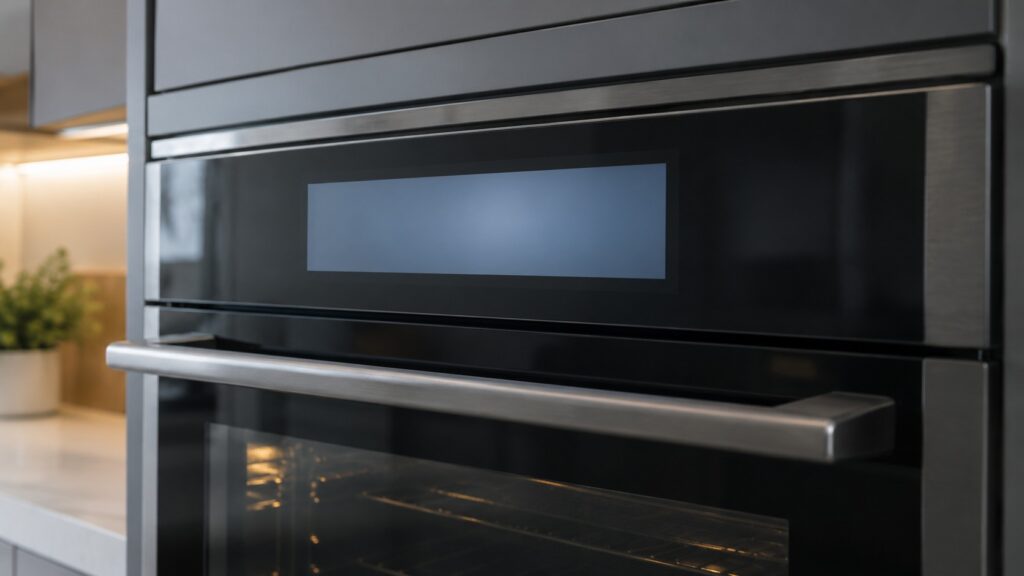
Keep the door shut. Every time you open it, heat escapes and the oven has to catch up. Use the oven light and the window to check the food. When the preheat is done, open the door, put the food in and close it quickly. Plan your cooking so that you load everything in one go where you can, and where you cannot, start with the dish that needs the highest temperature, as our holiday guide suggests, because an oven cools more slowly than it heats.
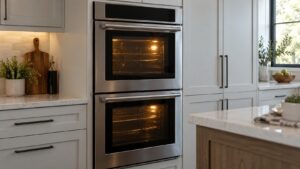
If you have a double oven, use the cavity that suits the job. Our rack guide suggests the upper oven for broiling and high-heat roasting and the lower for baking and gentle cooking. Preheat only the one you are going to use.
When can you skip the preheat?
For forgiving dishes that cook for a long time, such as a stew in a covered pot, a slow roast or a casserole, a long preheat is often not needed, and some recipes say to start in a cold oven. Follow the recipe. Do not skip it for anything that rises, sets or browns quickly. Where you do skip it, remember that the time and the result will change, and check the food sooner than the recipe says.
Preheating for the broiler is a separate matter. The broil element needs a short time to come up, as your manual describes, and food under a cold broiler cooks differently. Never leave the oven unattended while it is broiling.
How can you tell if the oven is as hot as it says?
Use an oven thermometer. Our maintenance guide suggests testing the oven temperature once a year with a calibrated oven thermometer on the center rack, and says that your manual describes the built-in calibration procedure if the oven is off. Put the thermometer in the middle of the oven, preheat, wait a while after the signal and read it through the window. If it differs from the display by more than your manual says is normal, follow the manual’s calibration steps.
If the oven is slow to preheat, never reaches temperature or shows a code, it is not a preheating habit problem. Our Thermador oven not heating guide lists what to check. Do not take panels off or touch the elements. If you smell burning, see sparks or a flame, keep the door closed, turn the oven off and switch off the breaker at the panel while standing on a dry floor. We are an independent repair company, not the manufacturer. Our Thermador oven repair page explains how a visit works, and you can book a visit online.